Understanding the Different Types of Dental Bone Grafts
Why Bone Grafts Matter in Dental Procedures
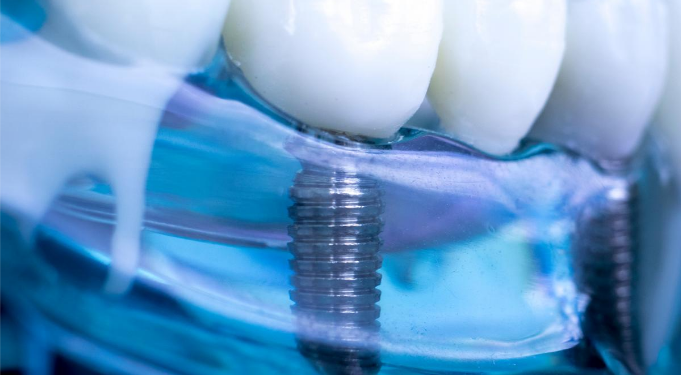
Bone grafts are commonly used in dental treatments to restore jawbone density and volume, especially when preparing for dental implants or addressing bone loss due to periodontal disease. Understanding the different types of bone grafts can help you have informed discussions with your dentist and choose the option that aligns best with your health needs and personal preferences.
Let’s Review Your Choices
Allografts (Cadaver)
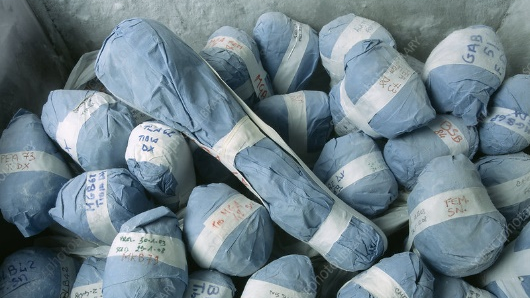
These are ground up bones from a deceased donor or a cadaver that has been cleaned and stored in a tissue bank.
Xenografts (Animal)
These are ground up bone tissues taken from a donor of one species (cow, pig, or horse) and grafted into a recipient of another species — in this case, you.
Autografts (Your Own Bone)
These come from a bone inside your body, such as your ribs, hips, pelvis, or wrist, which are harvested and transplanted into your jaw as needed.
Alloplasts (Synthetics)
Composed of neither animal or human material, these can be derived from natural sources (elements or minerals), synthetic (man-made) substances, or a combination of the two.
Allografts and Xenografts
We will put these two in the same category because they share the same biological reaction. They both share the same treatment process of cleaning and gamma sterilization. However, in all allografts and most popular xenografts, proteins are left on the surface after the cleaning process. Due to this process, and after placement, the grafted site in your jaw undergoes an inflammatory process that causes your tissue to become hard and sclerotic. Both of these bone grafts produce sclerotic bone which is not normal. Sclerotic bone is a type of tissue that your body produces in order to defend itself from a foreign object and remains in the jaw indefinitely – it will never go away.
Autografts
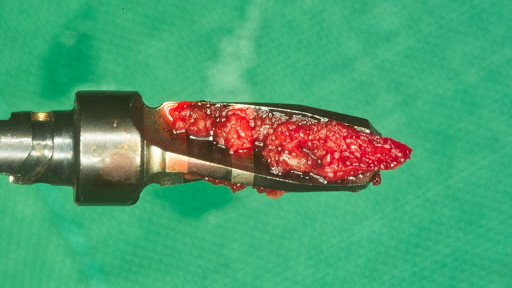
Bone is harvested from your own body, ground up, and transplanted into the extraction site in your jaw. While there is no risk of immune rejection or disease transmission (because it’s your own bone), these are seldom done because they require a secondary surgery and many times patients simply refuse. This is a good choice if you do not mind a secondary surgery.
Alloplasts
These are the preferred bone grafts by patients who have been sufficiently informed of their options. They do not contain animal or human elements and are derived from natural, biocompatible sources. Although there are a number of alloplasts available, they do not all perform the same. The majority of alloplasts are primarily calcium sulfate. Calcium sulfate alone does not perform well as a bone graft.
However, SteinerBio has transformed this field by introducing regenerative therapy that allows the patient’s own bone producing cells to regenerate their own bone back. This patented technology and FDA-cleared bone graft products allow the patient and doctor to choose a safe and effective bone graft therapy without having to use sub-standard allografts, xenografts, or autografts.
Making the Right Choice for You
Selecting a dental bone graft for your procedure shouldn’t be a trivial decision. In fact, we believe that a patient’s personal preferences should play a larger role than it usually does. It’s essential to discuss these options with your dental professional, who can guide you based on your specific situation.
At SteinerBio, we believe in providing patients with comprehensive information to make empowered decisions about their oral health. Our commitment is to support you through every step of your dental journey with honesty and clarity.
Having a good foundation to any structure determines the longevity of that structure.
That’s why knowing this information before getting bone graft therapy just might make the difference in the longevity of your dental implant.
What are your options?
Ask your dentist about using our products for your procedure
Contact us to find a dentist near you who uses our products
Contact us to schedule a consultation with Dr. Steiner in Roseville, CA