Understanding the Different Types of Dental Bone Grafts

Why Bone Grafts Matter in Dental Procedures
Bone grafts are commonly used in dental treatments to restore jawbone density and volume, especially when preparing for dental implants or addressing bone loss due to periodontal disease. Understanding the different types of bone grafts can help you have informed discussions with your dentist and choose the option that aligns best with your health needs and personal preferences.
Let’s review your choices:
Allografts (Cadaver)
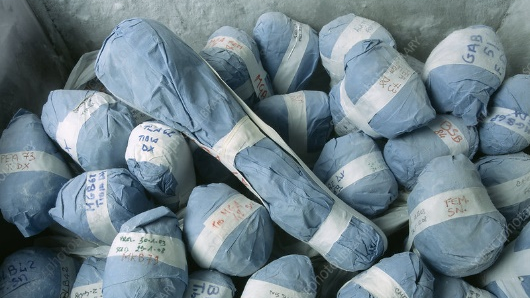
These are ground up bones from a deceased human donor or a cadaver that has been cleaned and stored in a tissue bank.
Xenografts (Animal)
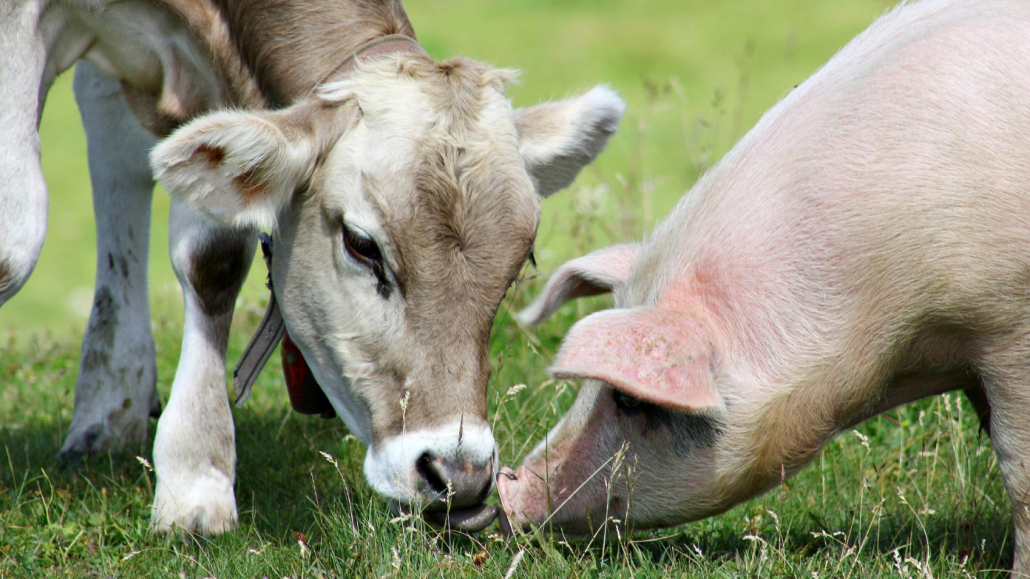
These are ground up bone tissues taken from a donor of one species (cow, pig, or horse) and grafted into a recipient of another species — in this case, you.
Autografts (Your own bone)
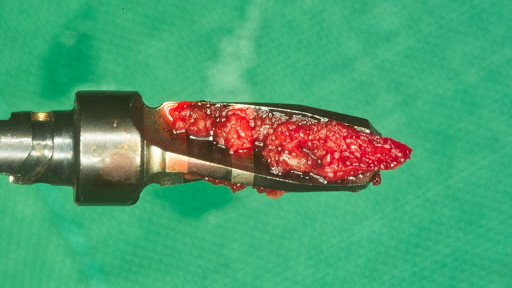
These come from a bone inside your body, such as your ribs, hips, pelvis, or wrist, which are harvested and transplanted into your jaw as needed.
Alloplasts (Synthetics)
Composed of neither animal or human material, these can be derived from natural sources (elements or minerals), synthetic (man-made) substances, or a combination of the two.
Making the Right Choice for You
Selecting a dental bone graft  for your procedure shouldn’t be a trivial decision. In fact, we believe that a patient’s personal preferences should play a larger role than it usually does. It’s essential to discuss these options with your dental professional, who can guide you based on your specific situation.
At SteinerBio, we believe in providing patients with comprehensive information to make empowered decisions about their oral health. Our commitment is to support you through every step of your dental journey with honesty and clarity.
Having a good foundation to any structure determines the longevity of that structure.
That’s why knowing this information before getting bone graft therapy just might make the difference in the longevity of your dental implant.