OsseoConduct βTCP
- 3rd Generation β-Tricalcium Phosphate For Bone Grafting
- 3D-Printed βTCP Grafts
- Air Abrasion for Dental Appliances
OsseoConduct
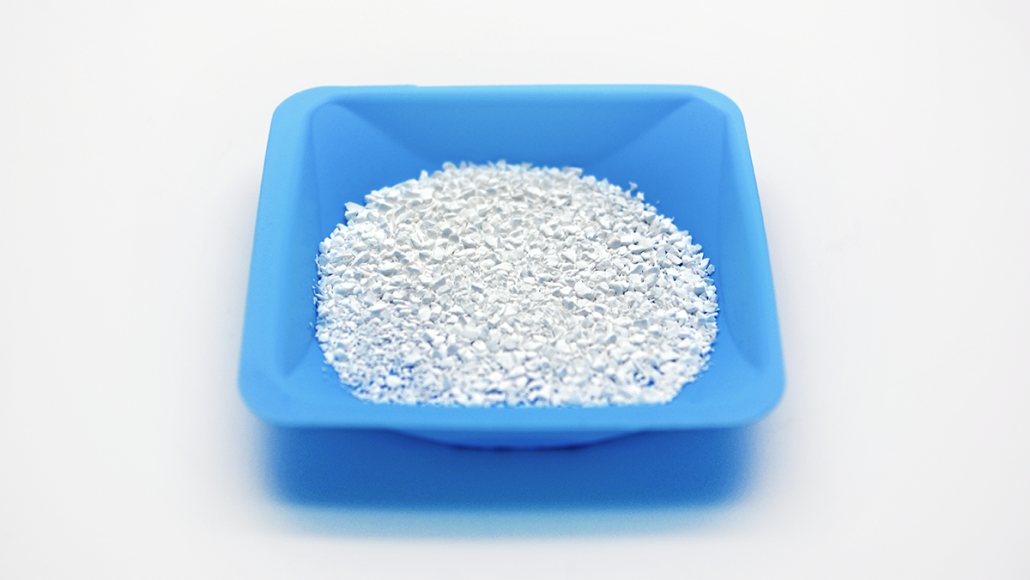
OsseoConduct is a state of the art micro-porous beta tricalcium phosphate that provides what you are looking for in a granular bone graft material. This bone graft has been cleared by the FDA for implant placement.
Using animal or human products with SteinerBio bone graft products is not recommended.
This product contains no human or animal tissue.
3D Printed Bone Grafting
Expanding the Principles of Regenerative Medicine
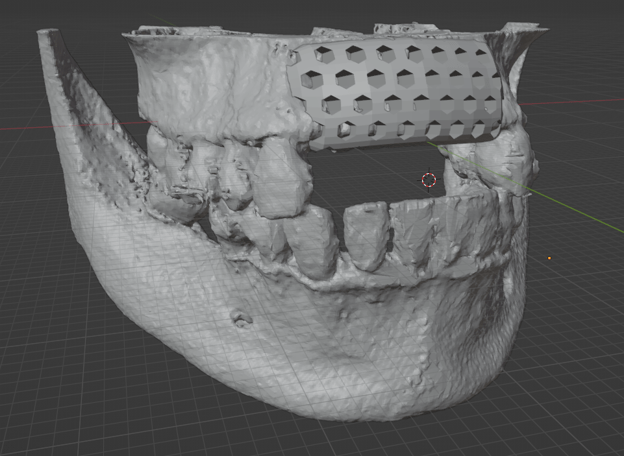
See the surgical application of our OsseoConduct 3D-printed grafts and observe what happens in the graft material from day of surgery through 4 weeks.
To begin the ordering process for the 3D-printed grafts, follow the link to access the prescription form.
OsseoConduct Micron
Air Abrasion for Cleaning Dental Appliances
OsseoConduct Micron is an abrasive powder made from our OsseoConduct beta tricalcium phosphate with its intended use for cleaning dental appliances.
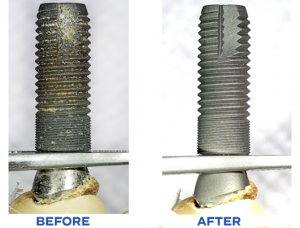
Perfected by years of development and clinical testing.
As a clinician-driven company, we developed OsseoConduct to meet the following criteria:
- Maintain volume as it is being resorbed and new bone is formed
- Produce bone with normal form and function
- Be able to handle reasonable load in order to resist deformation during the remodeling phase
- Allow ease of application
- Be cost effective for the patient and practitioner
- Completely resorbed in 6 months
OsseoConduct is a bone graft matrix for the natural process of bone remodeling that converts this biocompatible synthetic graft material into normal bone. During resorption, OsseoConduct granules provide the calcium and phosphate for mineralization of living bone.
Remodeling vs Encapsulation
When grafting with OsseoConduct granules, it is the process of remodeling rather than encapsulation, that produces normal, healthy tissue and ensures bone vitality.
OsseoConduct granules undergo a rapid rate of resorption due to its unique physical properties. Other resorbable granular bone grafts require osteoclasts for resorption to take place.
Osteoclasts exist only in mineralized bone. In order for other bone graft materials to be resorbed, they must be encased in mineralized bone first before absorption can occur. Therefore, the resorption process will take many months or years.
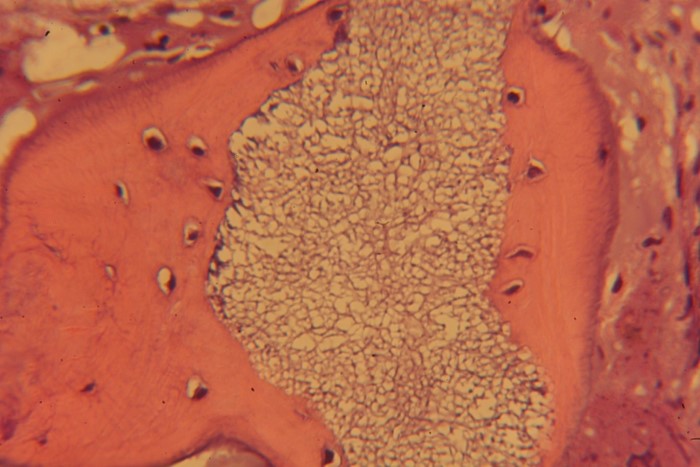
OsseoConduct granules are able to be resorbed by monocytes (phagocytes), which are found in soft connective tissue. The granules begin the resorptive process soon after grafting. The process continues providing space for ingrowth of mineralized bone. The result is a rapid and complete replacement of OsseoConduct granules with normal bone while maintaining shape and volume.
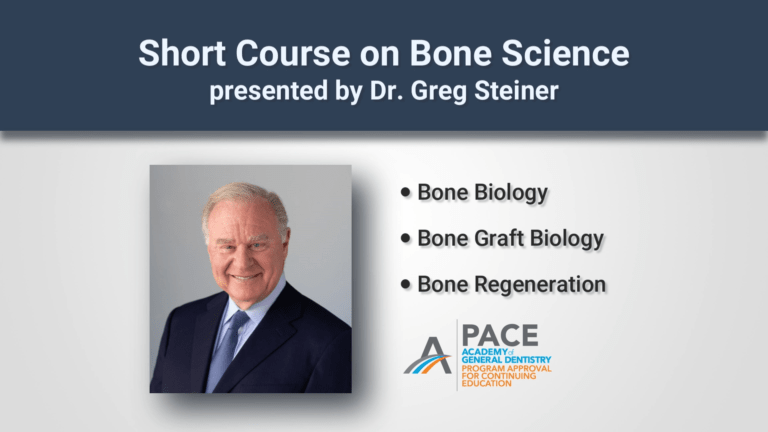
The knowledge and techniques used for traditional bone grafts do not translate into tissue engineering and regenerative medicine. As a medical device manufacturer, we strongly suggest you become knowledgeable in the use of our products. To do this, you must also become knowledgeable in the biological processes involved in grafting and implantology.
We have therefore introduced a free 2 CE Short Course on Bone Science. The course is open to anyone, but we recommend it especially to those who want to introduce the OsseoConduct 3D printed ridge technology into their practice who do not have experience with our products.