
SINUS GRAFT
Minimally Invasive Sinus Augmentation with Sinus Membrane Removal
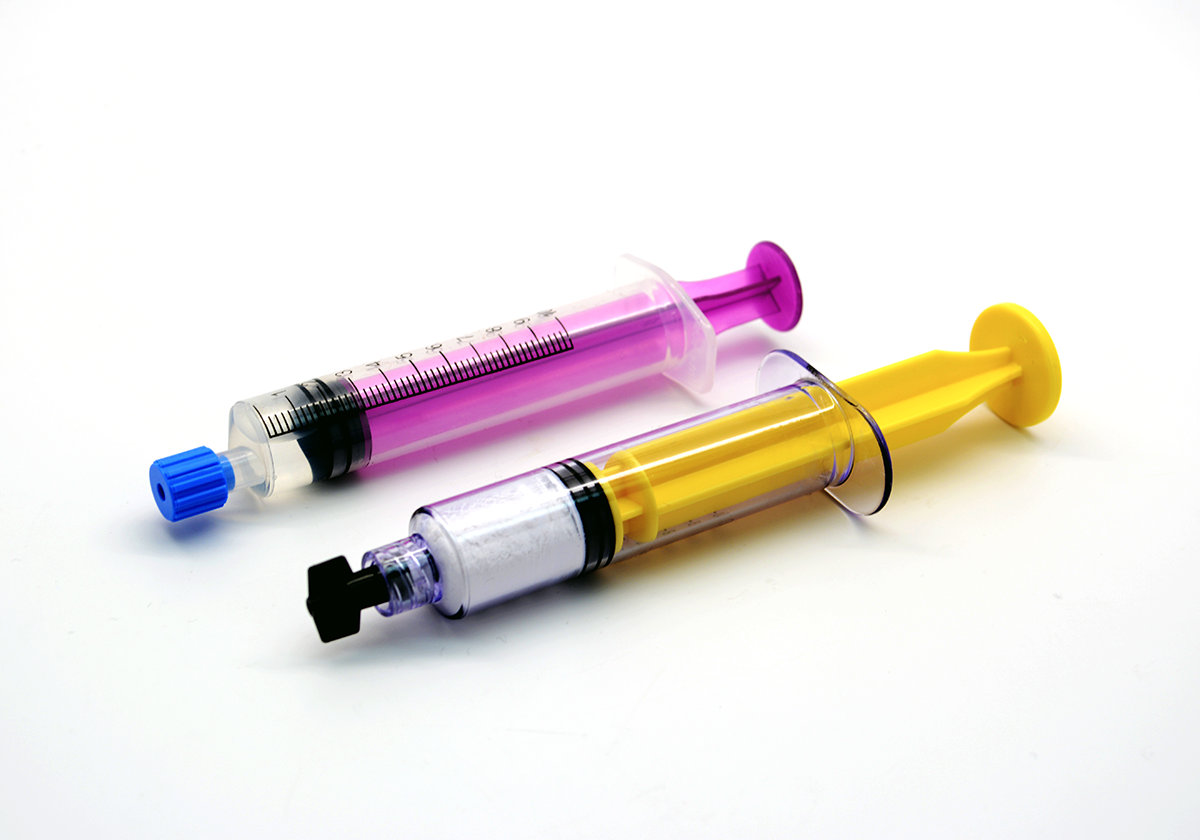
Sinus Graft is mixed chairside and should be stored in the refrigerator until use.
This product contains no human or animal tissue.
The Steiner Sinus Lift: Hydraulically Lift the Sinus Membrane via a 3mm Buccal Osteotomy
Sinus lift surgery has become more common as patients choose implants for tooth replacement. The unique characteristics of Sinus Graft has allowed for refinement of this surgical modality to a degree that allows practitioners to provide a previously unattainable level of care for their patients.
In adults, the size of the maxillary sinus often needs to be reduced to permit tooth replacement with dental implants. However, the cost, morbidity, and surgical complexity associated with maxillary bone augmentation has limited the use of this procedure. The Steiner Sinus Lift addresses each of these issues with the intention of making maxillary bone augmentation in the floor of the sinus a simple, non-traumatic procedure within the skill level of all dental practitioners.
For further information on the Steiner Sinus Lift, please review our article titled “Minimally Invasive Sinus Augmentation” published in the Journal of Oral Implantology.
The Trans-Osseous Sinus Augmentation™ (TOSA™)
– patent pending
The Trans-Osseous Sinus Augmentation™ method is designed to lift the sinus membrane off the floor of the sinus without contacting the sinus membrane.
Learn about the TOSA Technique so you never tear another sinus membrane:
Strengthen Your Practice
Sinus Graft will change your practice when your patients realize our technology is available to them. Your patients now have a choice between a chemically pure, FDA cleared bone graft or the frequently off-putting choice of cadaver tissue. Resorbable synthetics and autografts are the only bone grafts that produce normal bone. Normal bone is the only type of bone that has been shown to support an implant for a lifetime.
How Does SL Factor Work?
SteinerBio has the only bone grafts on the market that contain a drug that changes the physiology of a bone’s osteoblasts to stimulate osteogenesis. SL Factor, our patented organic compound, enters through the membrane of the osteoblasts and results in the following metabolic activities:

MEMBER:
American Society for Bone and Mineral Research (ASBMR)
Tissue Engineering and Regenerative Medicine International Society (TERMIS)
American Academy of Implant Dentistry (AAID)