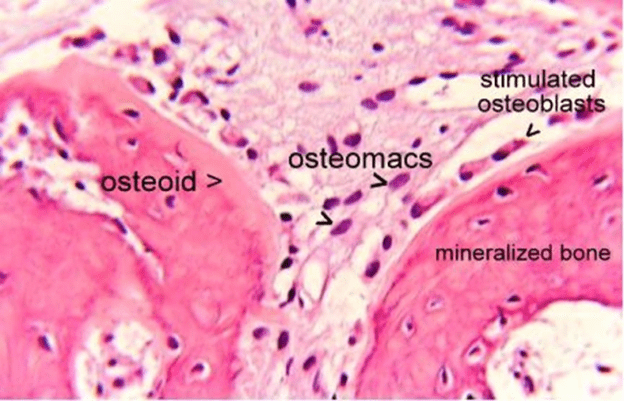
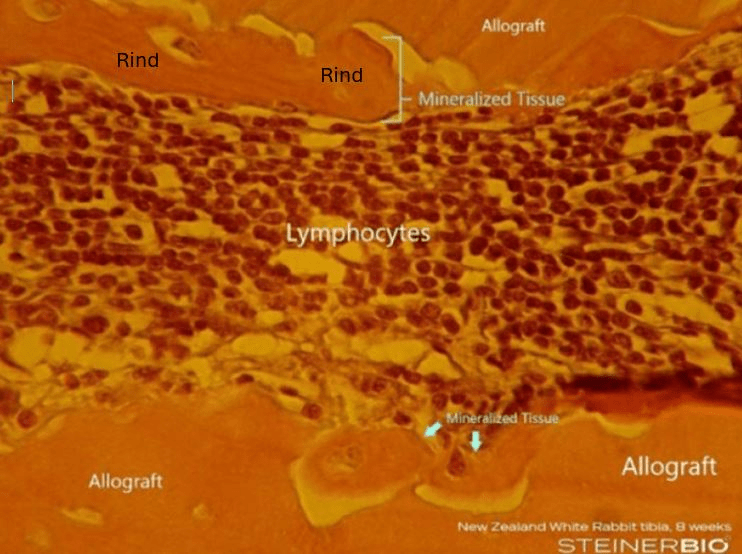
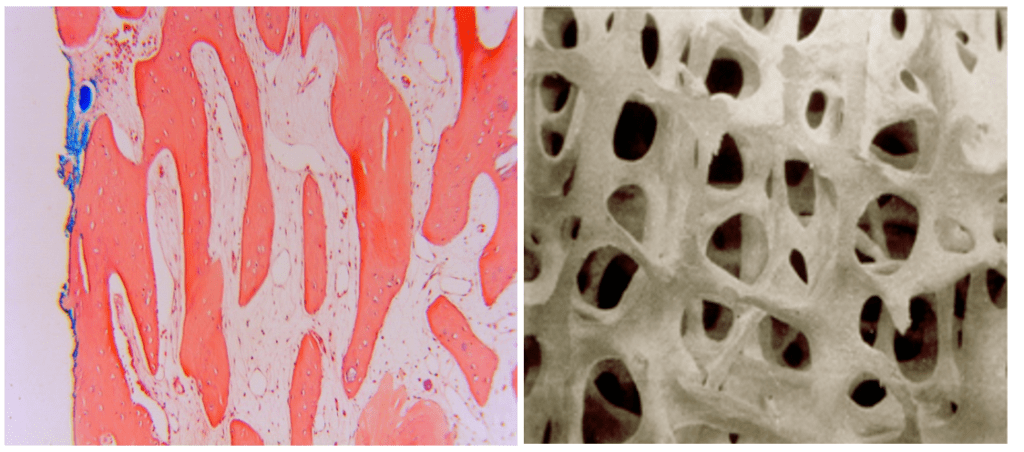
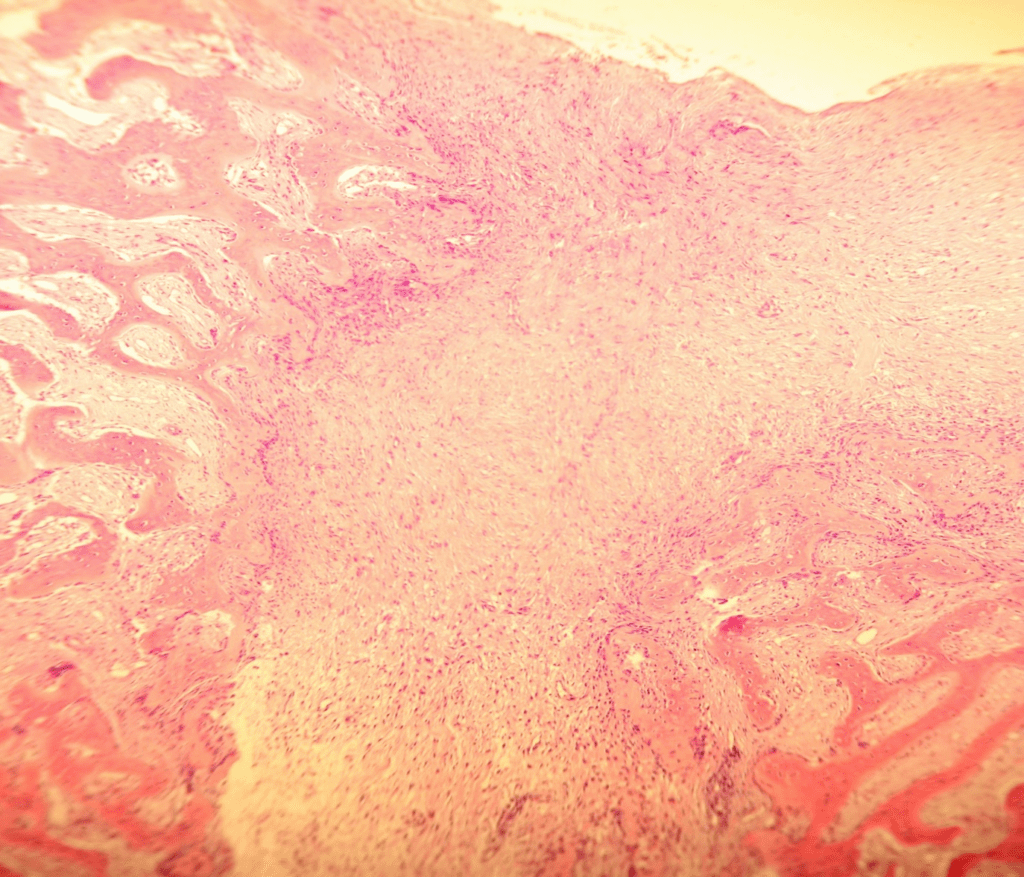
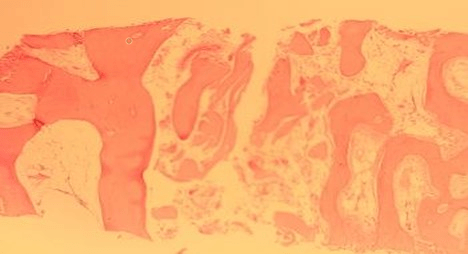
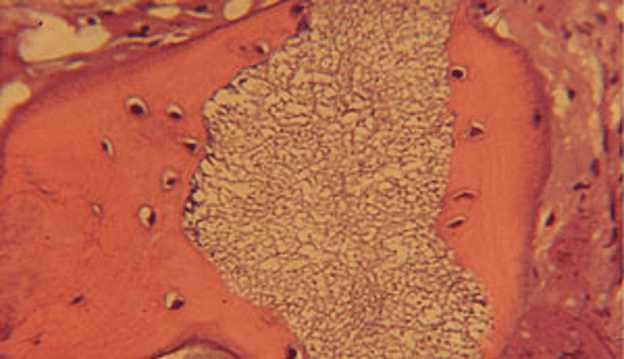
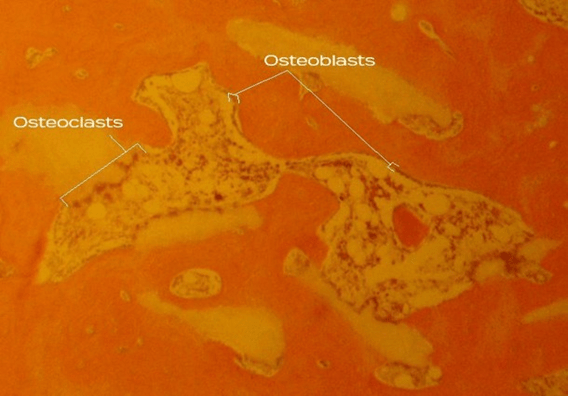
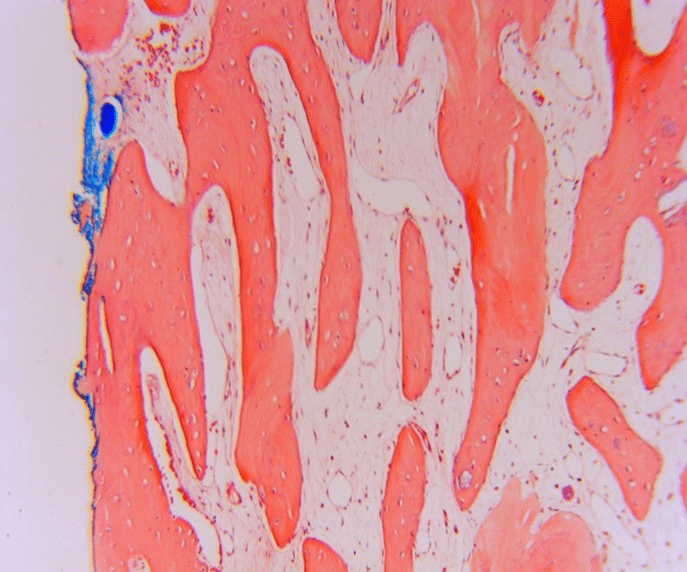
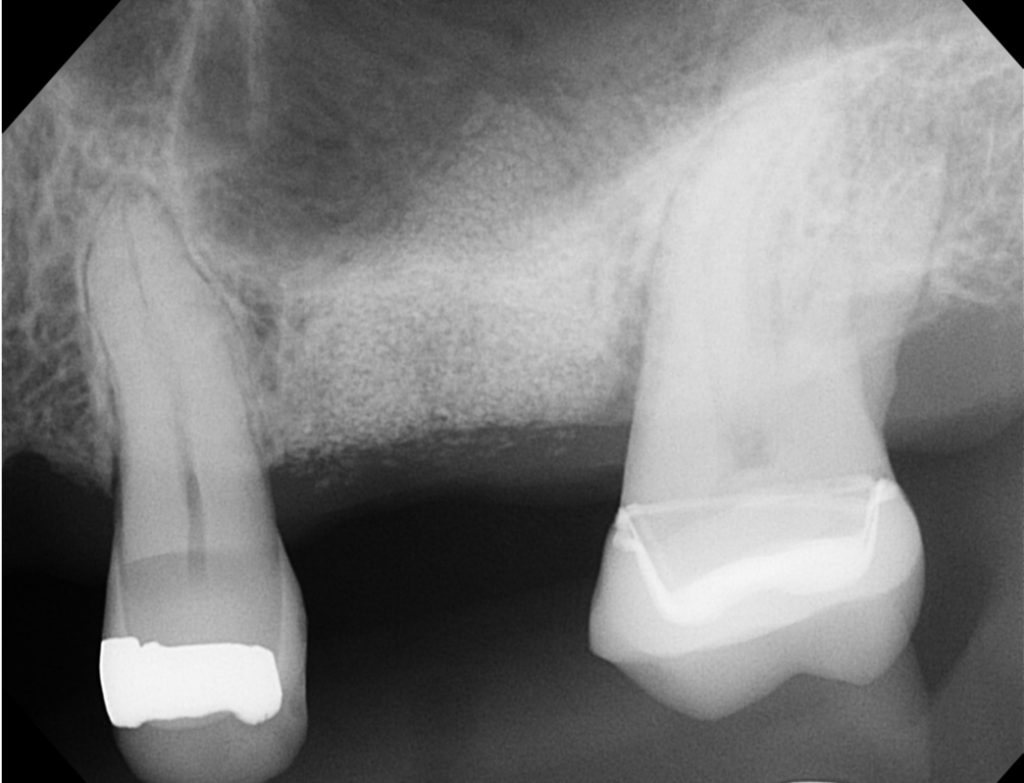
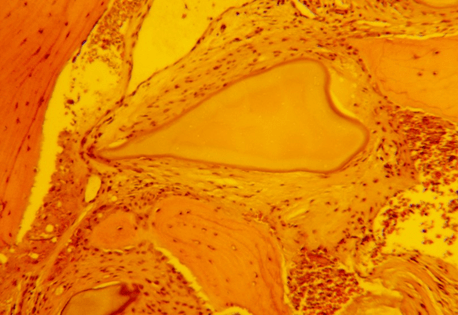
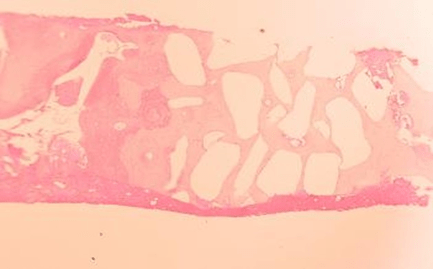
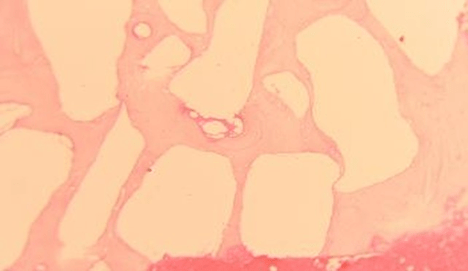
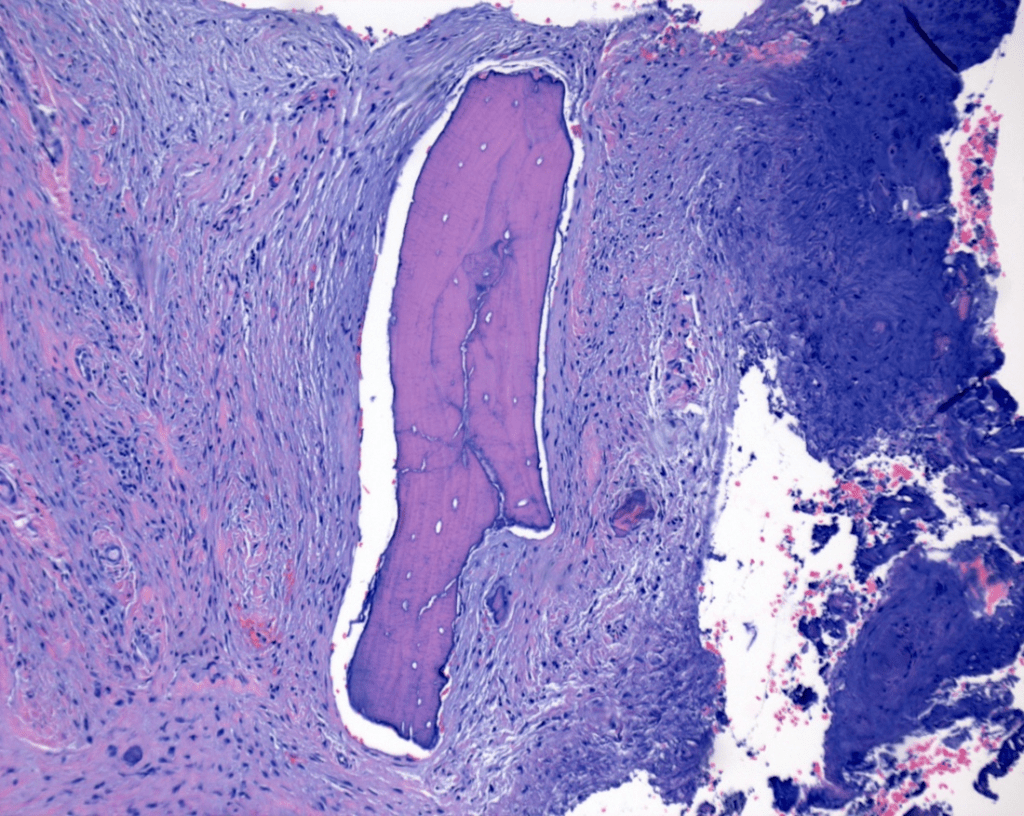
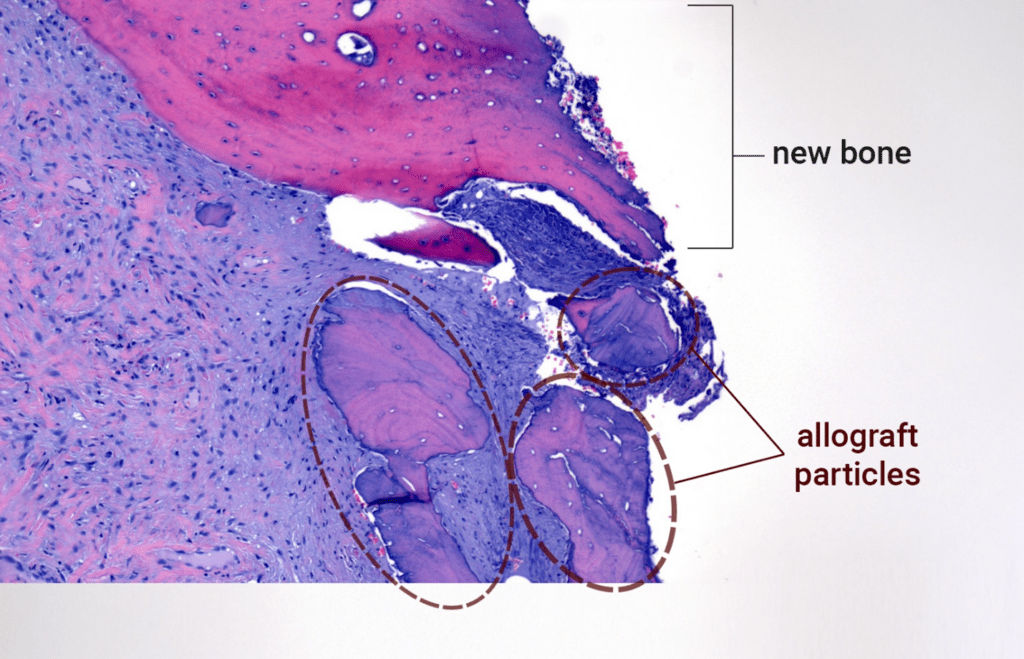
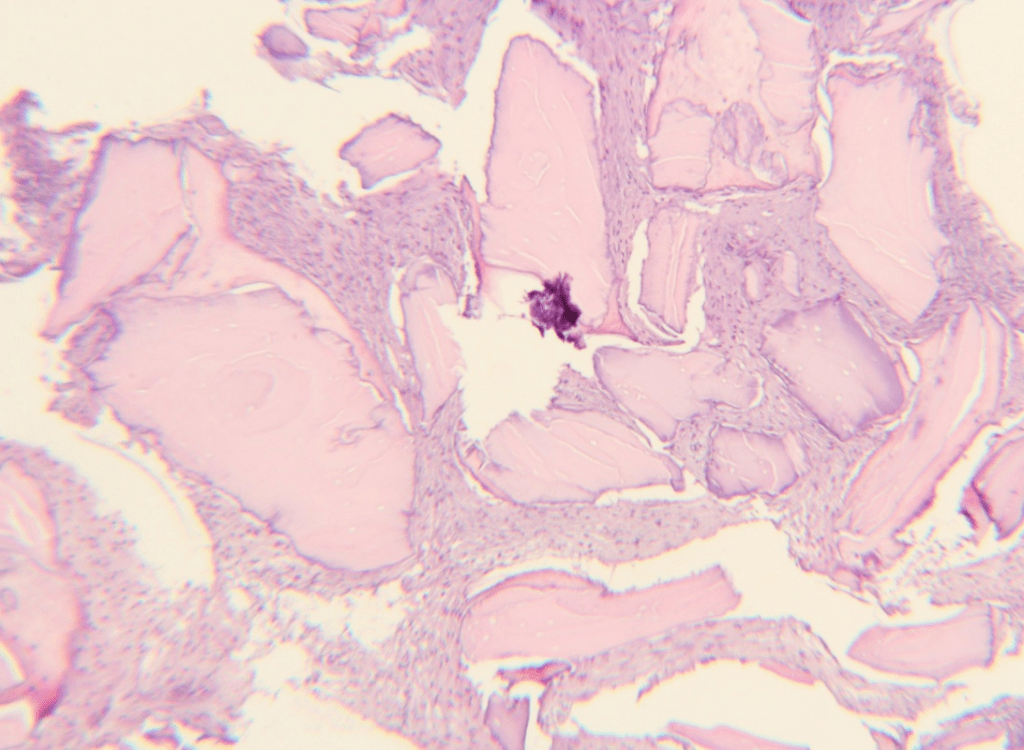
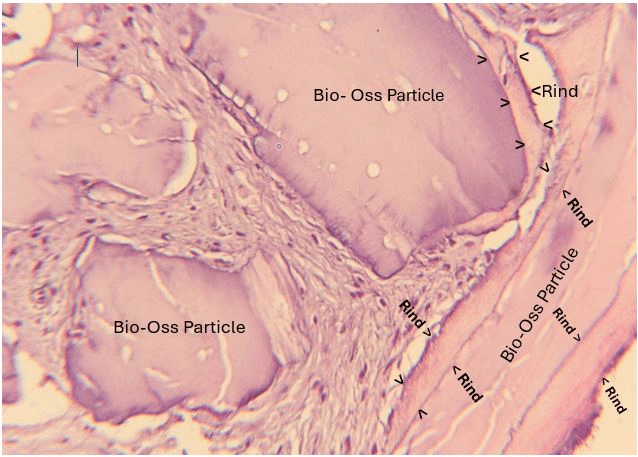
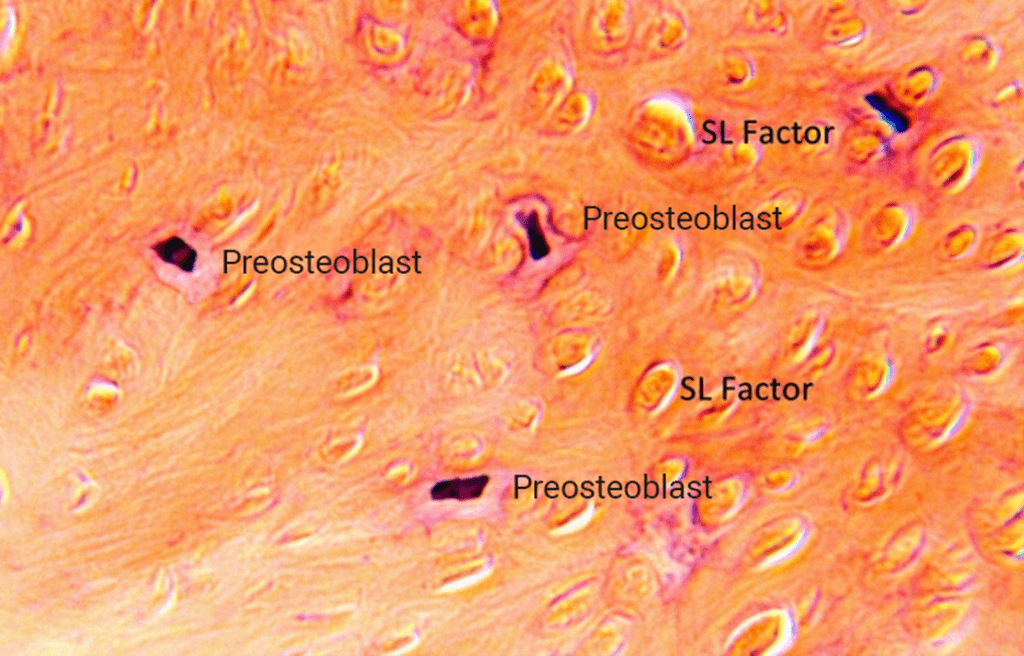
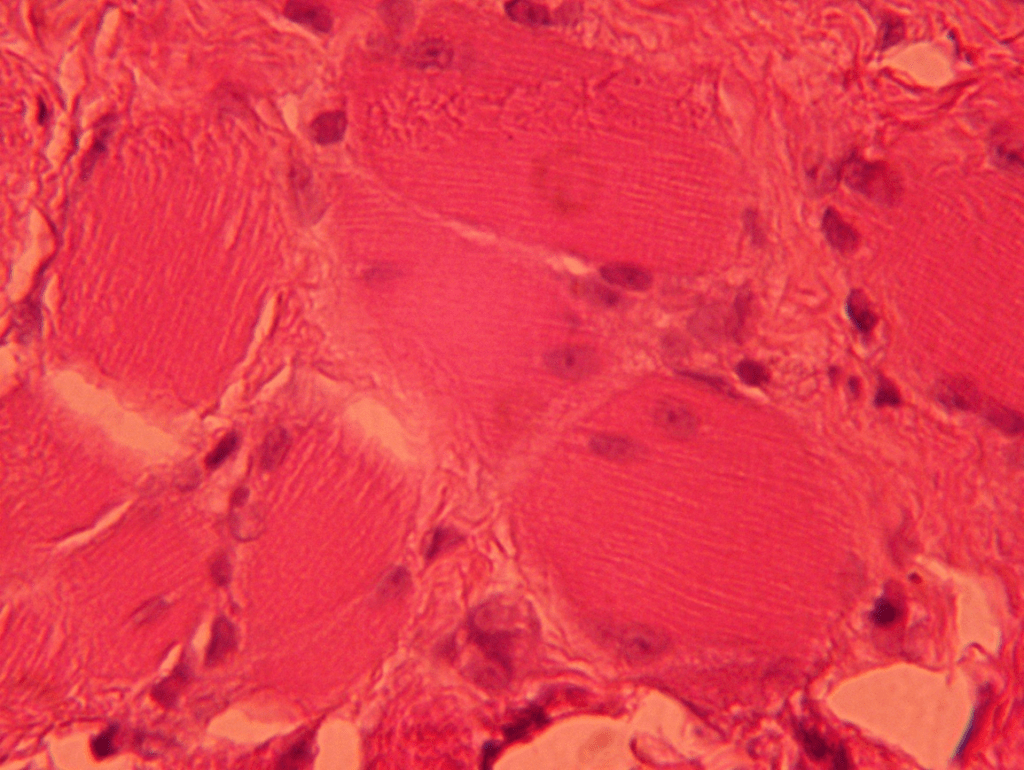
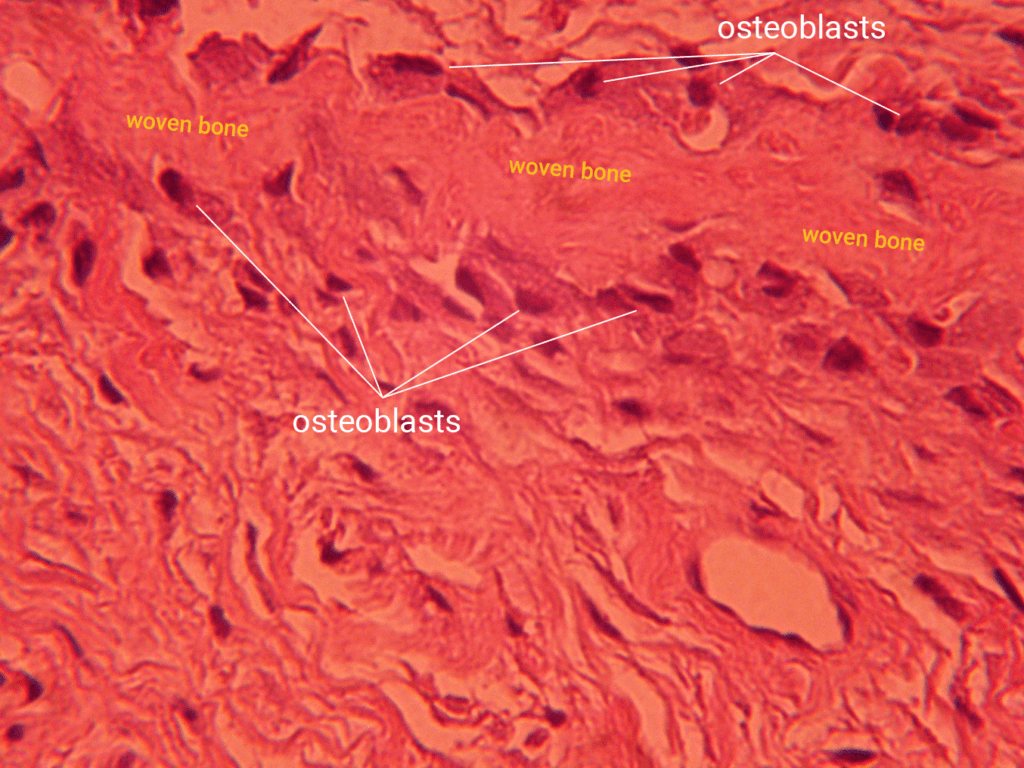
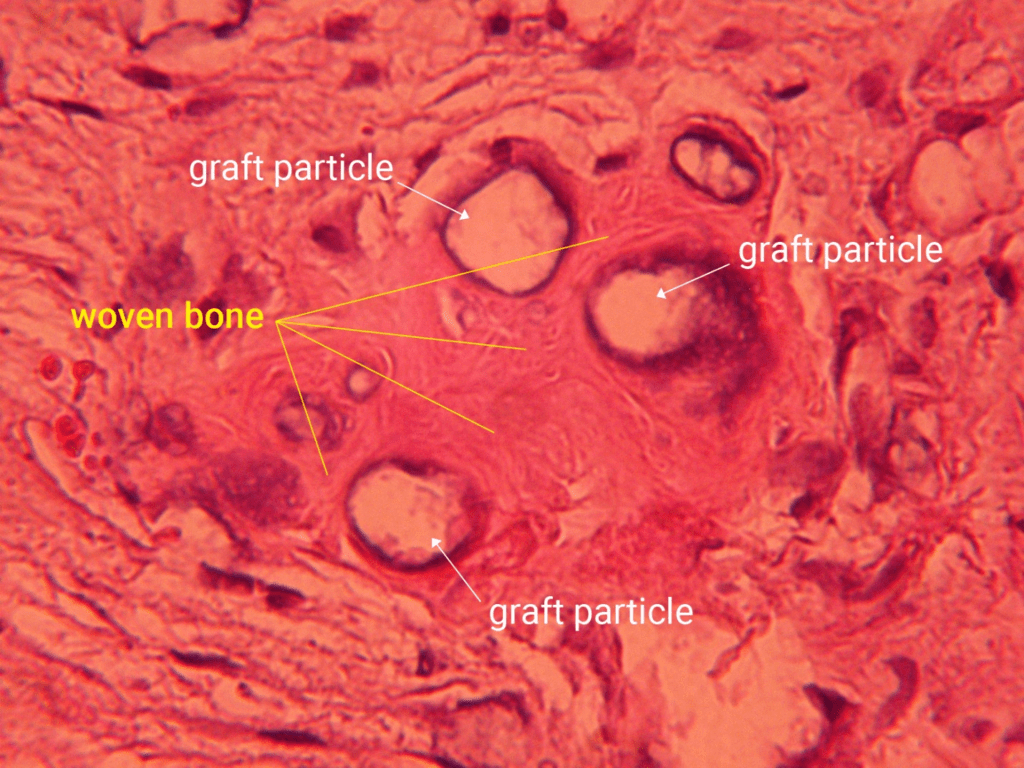
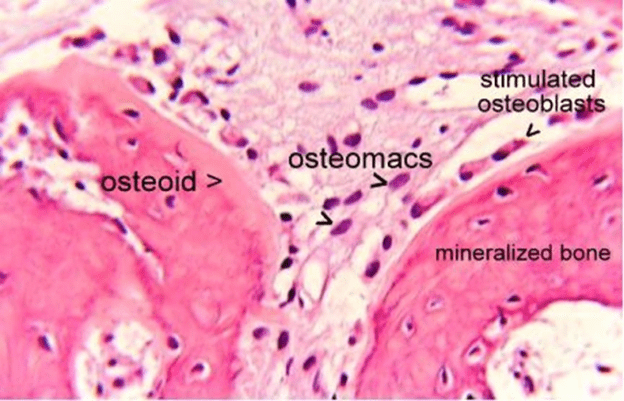
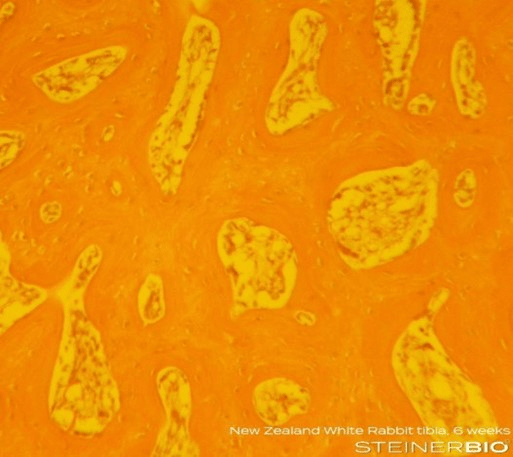
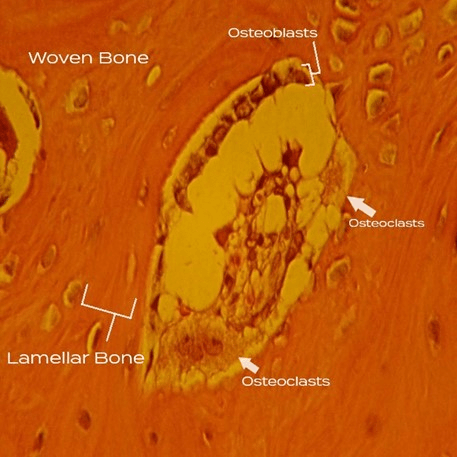
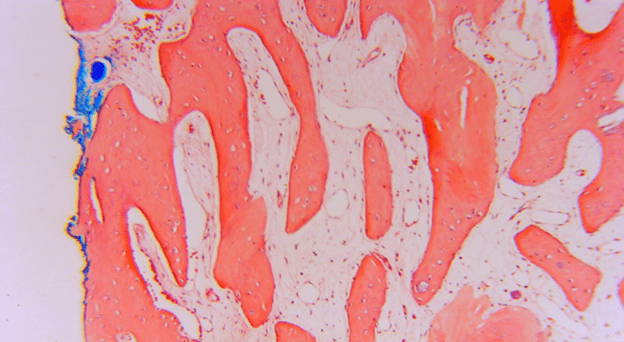
The purpose of this paper is to give you an understanding of bone formation at a tissue level. We will be looking at cells and the structures that those cells are creating so you can see in your mind what you are creating in your patients. Just as importantly, you will be able to direct the process of bone formation that you want for your patient by the materials you use.
While this paper focuses on the tissue level of bone regeneration, we will also present sections that are labeled DEEP DIVE. The deep dive buttons are links to what is going on physiologically inside the cell and discuss the cellular mechanism responsible for the tissue you are seeing in the histology. We suggest that you read the paper and get an understanding of the tissues you are creating and only if you are interested you can go back to DEEP DIVE for the mechanisms of osteogenesis.
First, it’s important to understand some terms for clarity of the topic. We will discuss the scientific terms that are used to describe how bone forms in your patients and then we will look at the histology that describes each of these processes. Let’s get started:
Terms
- Osteogenesis: the entire bone‐forming program from stem/progenitor stimulation and commitment → osteoblast differentiation → osteoid deposition → mineralization → lifelong remodeling/repair.
- Intramembranous osteogenesis: osteoblasts lay down osteoid and then mineralize it; referring to the type of bone formation in the jaws, skull, and clavicle.
- Endochondral osteogenesis: cartilage is formed and then replaced by bone. This refers to bone formation in the rest of the skeleton, and we will not discuss this form of osteogenesis in this paper.
- De Novo intragraft osteogenesis: where bony islands start inside a graft matrix. This type of osteogenesis occurs when bone producing cells crawl into a matrix and begin to randomly form bone in the matrix without being on a surface.
Terms that describe where the bone is being produced:
- Distance osteogenesis: Bone grows from the surrounding bone and fills the bony defect.
- Contact osteogenesis: where bone starts on a material surface; This is the type of osteogenesis when bone first forms on an implant surface.
Just to confuse you more, we also have different types of mineralization. Mineralization is the phase of osteogenesis that ossifies and hardens the bone tissue.
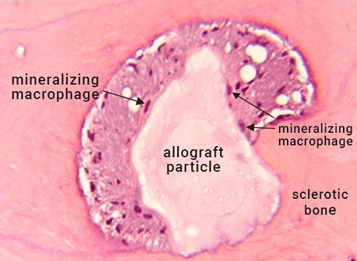
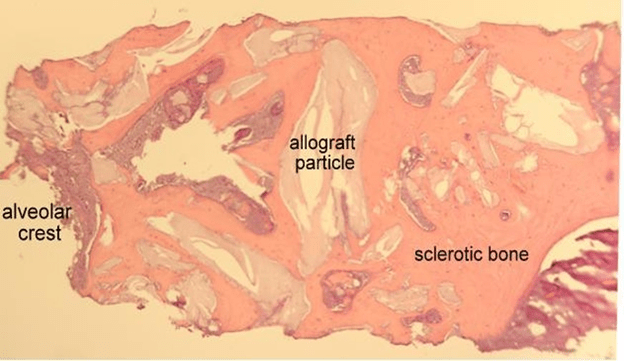
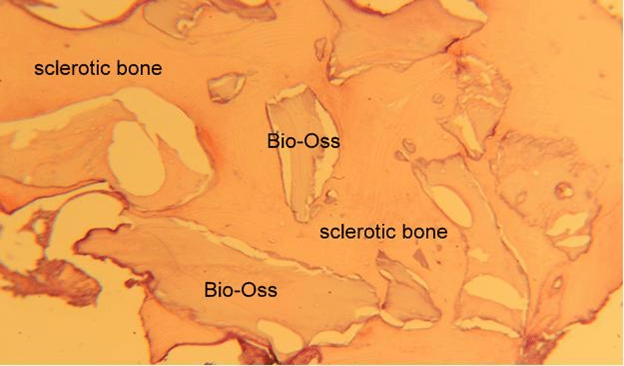
- Mineralization (biomineralization): deposition of any inorganic mineral in tissue. It can be physiologic (bone, dentin, enamel) or pathologic (atherosclerosis, the mineralization of damaged tissue via trauma or the production of sclerotic bone around inflammatory grafts). Mineralization is always produced by cells. There are two types of mineralization: osteoid-front mineralization and pericellular / matrix-vesicle–mediated mineralization.
- Osteoid-front mineralization: the advancing interface where osteoblasts produce unmineralized osteoid that becomes mineralized bone. Think of a moving boundary right under a row of active osteoblasts.